Introduction
Gardening isn’t just a pastime; it’s an art form, a way to connect with nature, and a method for enhancing the beauty of your home. When considering how to infuse lasting beauty into your yard, one of the most powerful tools at your disposal is perennials. These steadfast plants not only return year https://jsbin.com/lexotizaro after year but also offer stunning blooms, vibrant foliage, and a myriad of colors that can transform any landscape design.
In this comprehensive guide titled “The Power of Perennials: Long-Lasting Beauty for Your Yard,” we will delve deep into the world of perennial plants. We’ll explore their benefits, how they fit into various landscape designs—particularly in places like North Carolina—and provide you with practical tips for incorporating these beautiful blooms into your own yard.
The Power of Perennials: Long-Lasting Beauty for Your Yard
Perennials are often heralded as the backbone of garden design due to their durability and longevity. Unlike annuals that bloom for just one growing season, perennials come back year after year, making them an excellent investment for any gardener. Imagine stepping into your garden each spring to find familiar friends returning from their winter slumber—this is the magic that perennials bring.
Not only do these plants beautify your landscape, but they also support local ecosystems by attracting butterflies, bees, and other pollinators. Many perennials are also low maintenance once established, freeing up your time to enjoy rather than labor in your garden.
Understanding Perennial Plants
What Are Perennial Plants?
Perennial plants are defined as those that live for more than two years. They exhibit a cycle of growth that allows them to flower and produce seeds repeatedly over their lifespan. This characteristic makes them fundamentally different from annuals which complete their life cycle in one season.
Characteristics of Perennials
- Longevity: They survive through multiple seasons. Adaptability: Many perennials thrive in various soil types and climate conditions. Low Maintenance: Once established, many require little care compared to annuals.
Benefits of Using Perennials in Landscape Design
1. Year-Round Interest
One of the most significant advantages of incorporating perennials into your landscape design is the year-round interest they provide. With careful planning, you can have something blooming or colorful in every season.
2. Eco-Friendly Choices
Perennials contribute positively to the environment by providing habitats for wildlife and improving soil quality through their root systems.
3. Cost Efficiency Over Time
While initial costs may be higher than purchasing annuals yearly, investing in perennials saves money in the long run as they continue to return each year without replacement costs.
Choosing the Right Perennials for Your Area
Factors to Consider When Selecting Perennials
Climate Zone: Understanding your USDA Plant Hardiness Zone helps select plants that will thrive. Soil Type: Knowing whether you have clay, sandy or loamy soil influences plant choice. Sunlight Exposure: Whether your garden is mostly sunny or shady can dictate which perennials will flourish.Top 10 Perennial Plants For North Carolina Gardens
Black-eyed Susan (Rudbeckia hirta) Coneflower (Echinacea purpurea) Daylily (Hemerocallis spp.) Hosta (Hosta spp.) Salvia (Salvia spp.) Astilbe (Astilbe spp.) Sedum (Sedum spp.) Peony (Paeonia spp.) Liatris (Liatris spp.) Catmint (Nepeta spp.)Designing a Landscape with Perennials: Tips and Tricks
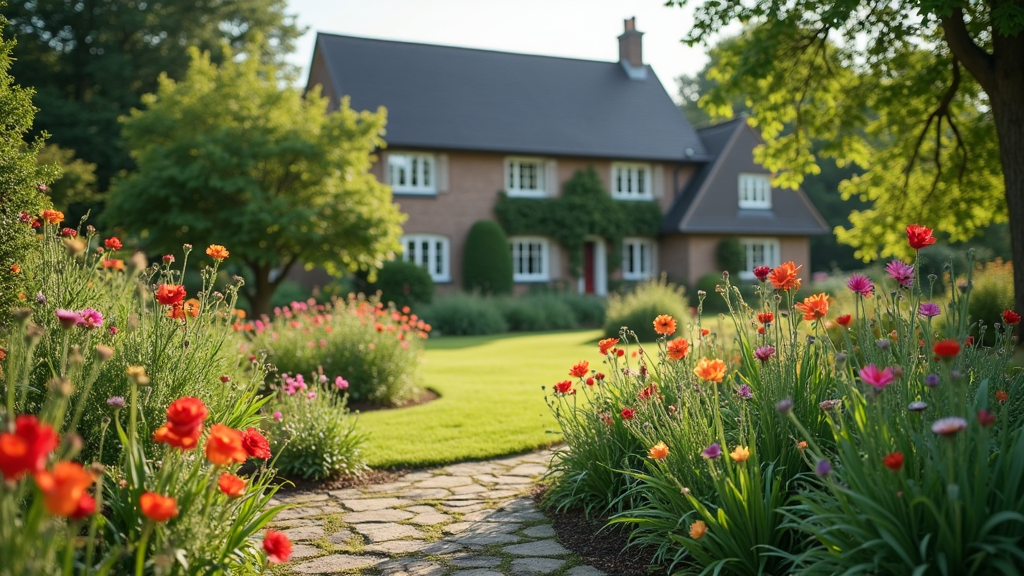
Creating Layers with Height Variations
When designing your perennial garden beds, consider layering plants with varying heights:
- Tall varieties like Delphinium at the back Medium-height flowers such as Phlox in the middle Low-growing plants like Creeping Thyme at the front
Utilizing Color Theory In Your Garden Design
Mixing colors can create visually stunning results:
- Complementary colors create vibrancy. Analogous colors provide harmony.
Maintenance Tips for Healthy Perennial Gardens
Watering Techniques
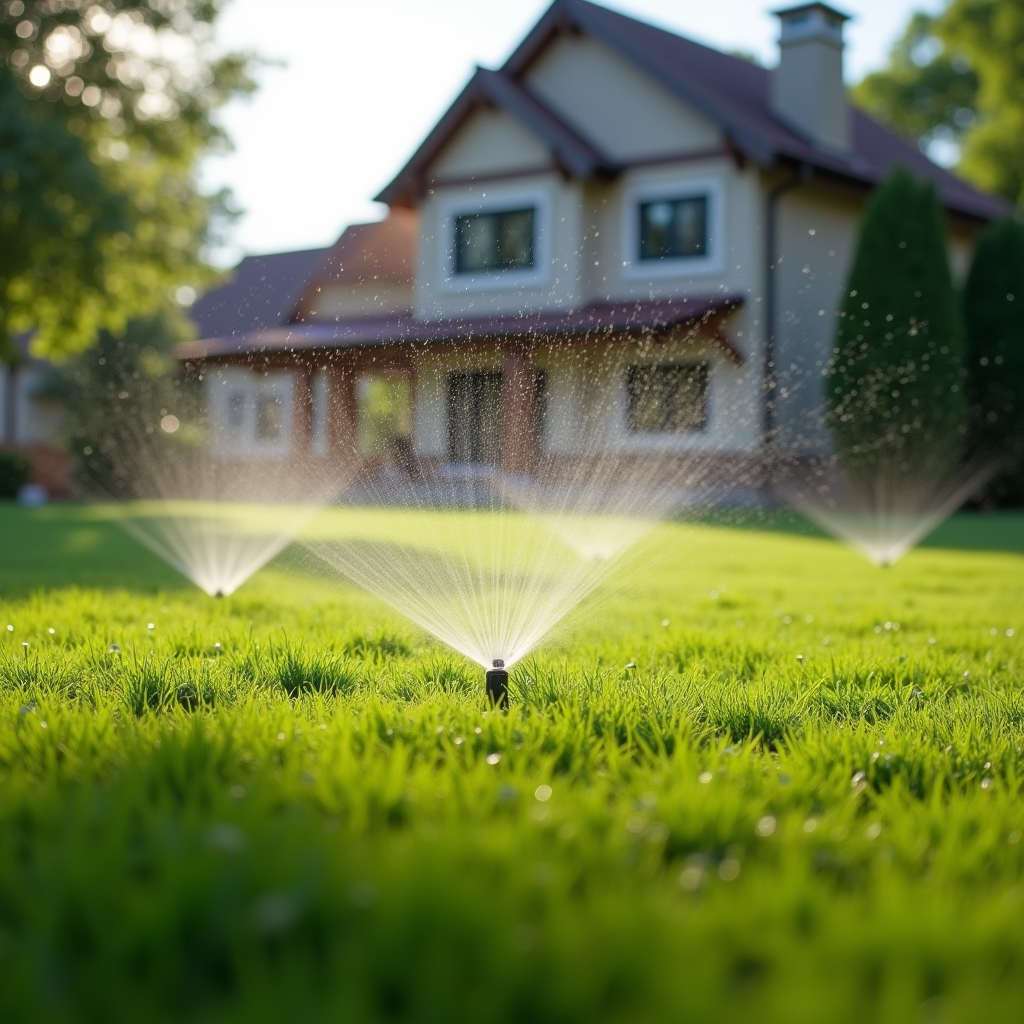
Incorporate deep watering practices rather than frequent shallow watering—this encourages deeper root growth.
Fertilization Practices
Utilize organic fertilizers during early spring when growth begins to ensure robust blooms.
Common Mistakes When Growing Perennials
Overcrowding: Allow sufficient space between plants for air circulation. Ignoring Soil Health: Regularly amend soil with compost and organic matter. Neglecting Seasonal Care: Deadhead spent blooms to encourage further flowering.FAQs About Perennial Plants
Q1: What is the best time to plant perennials?
A1: Early spring or fall is ideal as temperatures are milder allowing roots to establish before harsh conditions set in.
Q2: Do perennials need full sun?
A2: It depends on the variety; some thrive in partial shade while others prefer full sun exposure.
Q3: How often should I water my perennials?
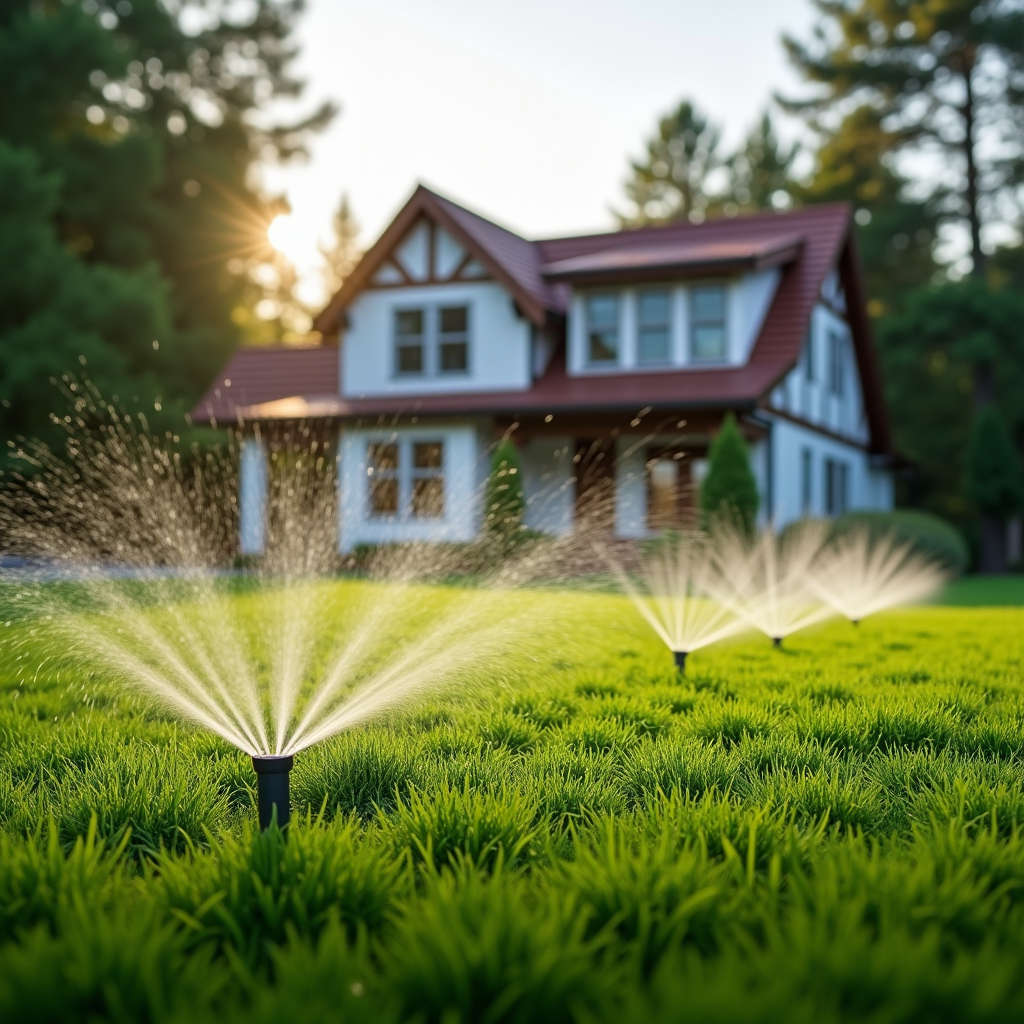
A3: Newly planted perennials require regular watering until established; thereafter focus on deep rather than frequent watering.
Q4: Can I grow perennials in containers?
A4: Absolutely! Just ensure pots have good drainage and choose varieties suitable for container gardening like Geranium or Lavender.
Q5: What should I do with my perennials during winter?
A5: Most don’t require special treatment; however mulching can protect roots from extreme temperatures.
Q6: How do I know when it's time to divide my perennials?
A6: If they begin crowding each other or if flowering decreases significantly; typically every 3-5 years is recommended.
Conclusion
In conclusion, embracing perennial plants within your landscape design not only enhances beauty but also supports biodiversity while providing sustainable gardening options over time—particularly valuable traits here in North Carolina where diverse climates allow countless species to thrive beautifully!
By understanding "The Power of Perennials: Long-Lasting Beauty for Your Yard," you're equipped with knowledge that empowers you to create stunning gardens that bloom delightfully across seasons without constant replanting efforts! So grab those trowels and start planning today—you’ll be rewarded with vibrant displays year after year!